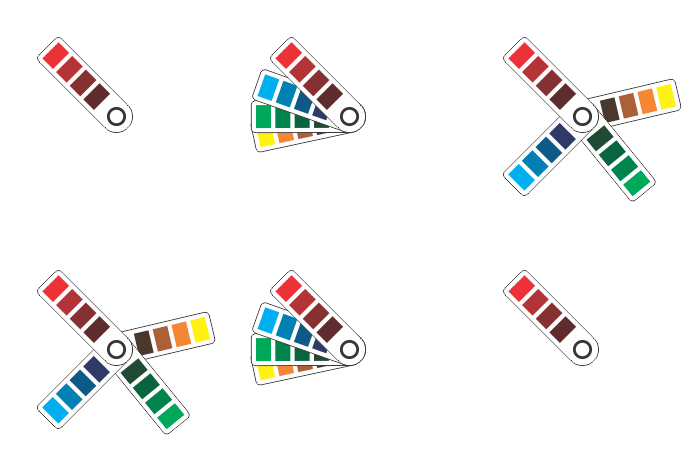
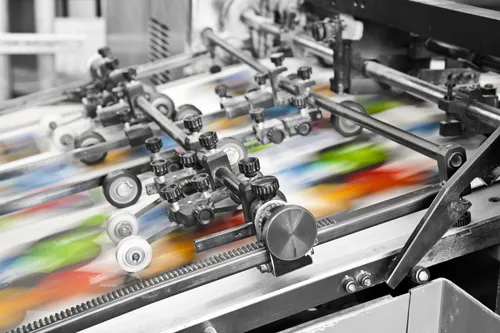
In the print industry, precision is not optional—it’s expected. Designers can fine-tune color values, gradients, and layout structures with remarkable detail using Adobe Creative Suite tools. However, when it comes to defining physical print attributes—like paper types, textures, foils, or varnish layers—there is a persistent disconnect between design files and production reality. These non-ink specifications are rarely embedded in design files, forcing designers and print shops to rely on external notes or time-consuming back-and-forth communication to clarify essential details. This gap often leads to costly errors, delayed orders, and dissatisfied clients.
X-MAX Print emerges as a targeted solution to this long-standing problem. Designed as a seamless plug-in for Adobe Creative Suite, it enables designers to select and define material properties within their files using a comprehensive, up-to-date catalogue of non-ink print materials. In doing so, X-MAX Print bridges the digital divide between visual design and material execution—saving time, reducing miscommunication, and transforming production workflows.
Where Design Meets Execution: The Unresolved Gap in Print Production
Modern designers have a lot of tools at their disposal, especially when it comes to visual design. Adobe Photoshop, Illustrator, and InDesign enable pixel-perfect digital layouts, complete with precise color management and visual hierarchy. But while these platforms excel in color calibration and visual assets, they fall short in allowing users to define the physical materials that bring those designs to life.
For example, when a designer wants a poster printed on textured matte paper with gold foil and UV spot varnish, there is no standard way to specify these attributes within the Adobe file. Instead, these requirements are typically outlined in external messages or attached notes, which are often overlooked, misinterpreted, or incorrectly executed. This forces print shops to confirm every detail manually, lengthening turnaround time and increasing costly mistakes.
Designers frequently encounter issues such as the wrong material being used, the finish being applied inconsistently, or the final product not matching the creative intent. These problems are not the result of poor design or lack of communication—they stem from a gap in how design files communicate non-visual specifications. Without a built-in, universally recognized system for encoding material choices, the workflow remains fragmented and inefficient.
Bridging Design and Production with the X-MAX Print Plug-In
X-MAX Print addresses this gap by offering a plug-in that integrates directly into all Adobe Creative Suite products. It enables designers to choose from a structured database of materials—organized by region, type, and density—and save these selections directly within the design file. This means no more separate documents or follow-up calls to explain that a design should be printed on 300gsm linen cardstock or include a specific resin overlay.
The plug-in is intuitive and designed with creativity in mind. Once installed, it adds a panel to Adobe software where users can browse an extensive, searchable catalogue of non-ink materials. This catalogue is built in collaboration with paper mills and coating manufacturers and updated regularly to reflect the latest industry offerings. Each material is assigned a unique SKU and includes technical data, ensuring consistency across different projects and providers.
Once the designer finalizes the file and sends it to a print shop, all relevant specifications are already embedded. The print provider no longer needs to ask for clarification or interpret vague instructions—every detail is there, formatted standardized. This allows production to start faster, improves accuracy, and strengthens the relationship between designer and printer by removing points of friction.
The result is a file that not only looks great on screen but is fully ready for accurate, high-quality printing—no assumptions, no guesswork.
Industry Integration: How X-MAX Print Facilitates Supply Chain Efficiency
Beyond its role as a designer’s tool, X-MAX Print introduces a much-needed ecosystem to the printing supply chain. At its core is its centralized materials directory, maintained in partnership with industry manufacturers. This collaboration ensures that all listed materials are real, commercially available, and accurately described for print production.
Manufacturers benefit from increased visibility. When a new paper stock or coating is introduced to the market, it can be instantly added to the plug-in’s catalogue and made accessible to thousands of design professionals. Each item includes a detailed profile—thickness, finish, usage guidelines—and a unique SKU for universal reference. This improves the supply chain by simplifying material selection, minimizing mismatched orders, and ensuring product consistency.
Print shops also gain in efficiency. They can standardize their order processing by matching the embedded file specs to their own inventory or sourcing the exact material by SKU. Revalidation or specification alignment is drastically reduced. Moreover, they can train staff on a single, structured system rather than relying on variable order forms or non-standardized requests from clients.
This full-circle integration—from material suppliers to designers to print production—represents a significant advancement in an industry that still relies heavily on legacy communication methods. X-MAX Print modernizes this system, turning print-ready files into fully detailed production assets that accelerate time to completion while maintaining exceptional quality.
Digital Print Workflows Demand Digital Material Logic
The print industry has long focused on visual fidelity, but true fidelity requires more than colors and shapes—it demands material accuracy. X-MAX Print introduces a critical evolution in how designers and printers work together by closing the gap between digital design and material execution. By embedding detailed non-ink specifications into Adobe files, the plug-in eliminates guesswork, miscommunication, and delays.
This innovation not only empowers designers to fully realize their creative vision but also equips print shops to deliver exactly what’s expected, every time. Suppliers benefit, too, gaining direct access to a digital audience that relies on up-to-date material options to stay competitive.
X-MAX Print is not just an add-on—it’s a structural improvement to print work planning, communication, and produced. As the demand for customization and material diversity grows, tools like X-MAX Print are no longer optional—they’re essential to delivering the future of print.